

How to Align Story, Numbers and Operations Before a Raise
Most raises do not stall because the deck is weak. They stall when diligence uncovers misalignment: a narrative that cannot be backed by numbers, numbers that do not reconcile to cash, or an operating model that cannot execute the forecast. This post shows GCC and MENA founders how to align story, numbers, and operations before investors lean in. You will get a pass/fail gate, a readiness scorecard, and a six to ten week execution plan with clear owners. Use it to reduce diligence delays, avoid valuation haircuts, and keep your team focused on delivery while you prepare for a capital raise or institutional process.
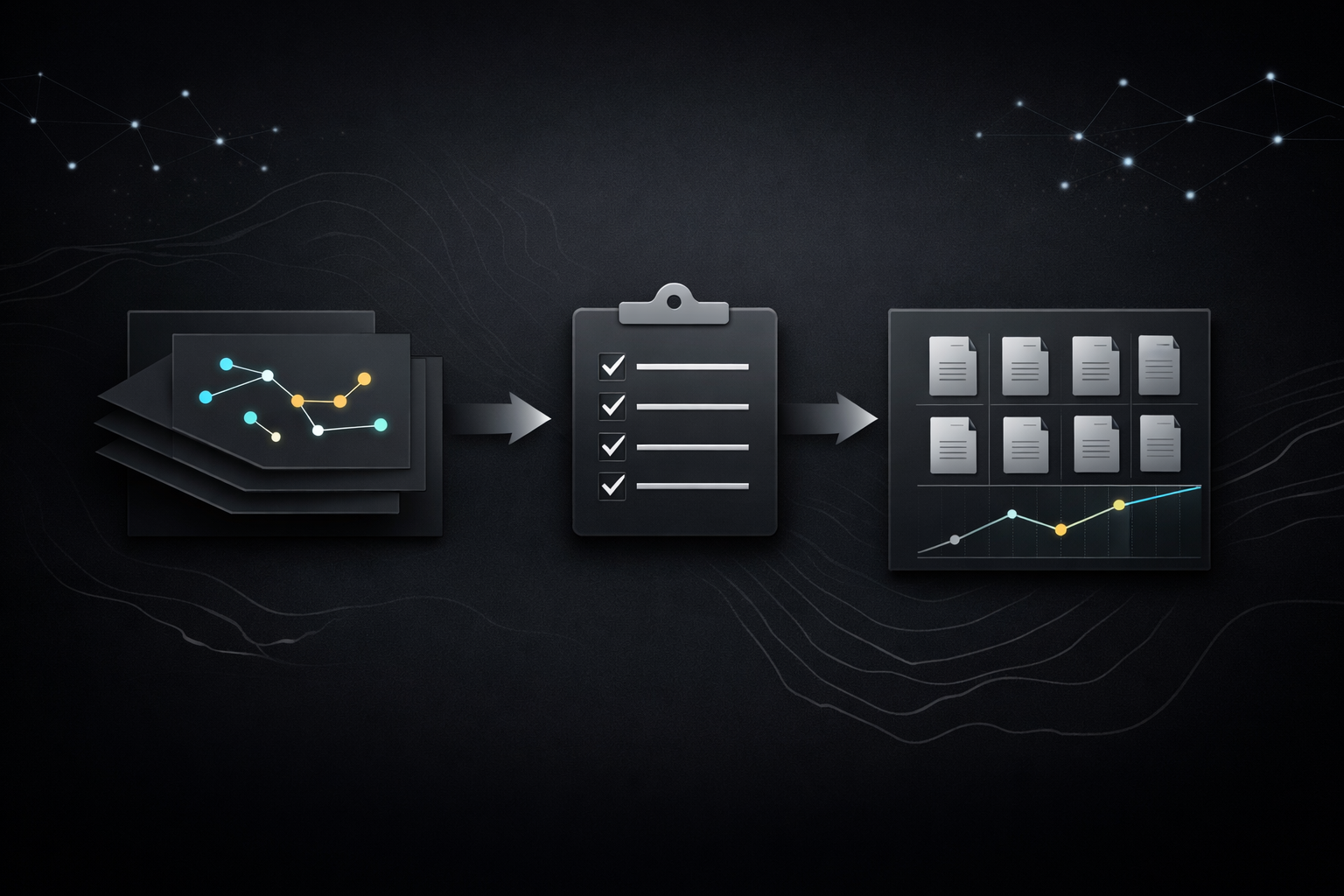
Investor Guide: Thesis Map and Due Diligence Checklist
Due diligence is where strong stories get priced, delayed, or killed. A thesis map turns an investor's "what must be true" into testable questions, metrics, and evidence. This guide shows how founders in the GCC and wider MENA can build a one-page thesis map, convert it into a diligence checklist, and set up a data room that answers questions fast without derailing operations. You will learn what sophisticated investors test first, the pass/fail items that trigger valuation haircuts, and a 6-10 week execution plan with clear owners. Use the interactive scorecard to quantify readiness and prioritize the fixes that protect momentum.

Capital Raise Readiness Checklist for Founders in MENA
Raising capital in the GCC and wider MENA is rarely lost on the pitch deck alone. It stalls when investors cannot validate ownership, cash, KPI integrity, and decision-making speed. This post gives founders a boardroom-grade capital raise readiness checklist: a pass/fail gate, an interactive readiness scorecard, and an 8-12 week implementation plan with owners. You will learn what sophisticated investors test first, how to build a diligence-ready data room without creating chaos, and how to align story, numbers, and operations so diligence becomes a confirmation step. Use it six to twelve months before outreach to reduce delays, avoid valuation haircuts, and protect negotiating leverage.